Fed Holds Rates at 3.75%-4%: What the Pause Means for Your Money
The Federal Reserve held rates steady on October 28, but two officials wanted a hike. Here is what the decision means for loans, savings and stocks.
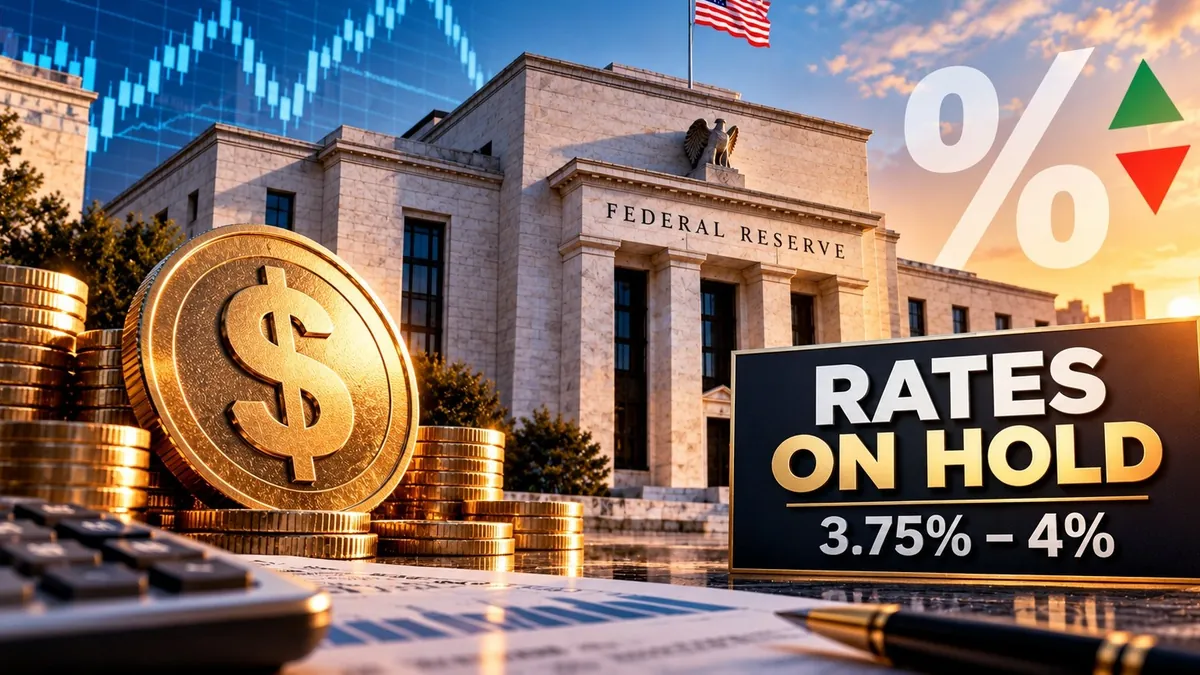
The Federal Reserve pressed the pause button on Wednesday. At the end of its October meeting, the central bank left its benchmark interest rate in a range of 3.75% to 4%, just as most economists and traders had expected. But the quiet headline hides a more interesting story. Two members of the rate-setting committee wanted to raise rates right now, and the new Fed chair, Kevin Warsh, refused to promise what happens next.
If you borrow money, save money, or own stocks, this decision matters to you. Here is how we look at what happened, why it happened, and what could come next.
What the Fed Actually Decided
The Federal Open Market Committee, the group that sets U.S. interest rates, voted 10 to 2 to keep the rate unchanged. The two "no" votes came from Governor Lisa Cook and Cleveland Fed President Beth Hammack. Both preferred an immediate quarter-point increase.
A split like this is not common. It tells us that some of the people closest to the data are worried that inflation is not coming down fast enough. The majority chose to wait, but the minority made its case loudly.
This pause also follows a rate hike last month, according to reporting on the meeting. So the Fed is not sitting still because it has given up on fighting inflation. It is stopping to see how its latest move is working its way through the economy.
The Small Changes in the Statement
Central bank statements are short, and every word is studied. Compared with the previous meeting, three changes stood out.
- The Fed now describes the economy as growing at a "strong" pace. Before, it called growth "solid."
- Language that pointed to action to bring inflation back to 2% on a timely basis was swapped for wording about gathering more information before deciding where policy should go.
- The statement still says inflation remains elevated, and it repeats the Fed's promise to bring prices under control.
That means the Fed is holding rates steady, but it is not signaling that rate cuts are coming. If anything, a stronger economy gives it more reason to keep rates high or raise them again.
What Chair Warsh Said
At his press conference, Warsh sounded like someone who wants to keep his options open. He described the Fed's 2% inflation target as a hard target, with no softer version tucked away. He noted that inflation has been above that level for nearly six years, which is a long time for households to feel squeezed.
He said the pause gives the committee time to see how last month's hike is working. Financial conditions have tightened for some businesses and families, and borrowing costs have crept up in some corners of the credit market. Warsh described conditions as tighter, but not "tight," and said the Fed should not push harder than it needs to.
Warsh also pushed back on a popular idea that spending on artificial intelligence does not care about interest rates. He said investment is spreading beyond big tech companies, which means higher borrowing costs can still matter. That is a notable comment, because AI spending has been one of the main engines of recent U.S. growth.
On the question everyone wanted answered, he would not commit. He said he does not believe in giving forward guidance outside of a crisis, so he would not promise a rate move in December. He did point to recent energy price increases and short-term inflation expectations as things to watch, while saying longer-term expectations still look steady.
Politics Is in the Room, Too
The meeting took place about a week before the U.S. midterm elections on November 3. Warsh was asked about politics directly and said politics played no role in the committee's discussion. He also declined to comment on remarks made by former President Donald Trump about Fed governors.
The Fed is supposed to work independently of elections, and big surprises right before a vote would invite criticism. Many analysts viewed the timing as one more reason for the committee to stay put this month.
The Numbers behind the Decision
Recent data explains why some officials are nervous. September inflation came in at 3.7% over the past year, well above the Fed's 2% goal. Energy prices have been rising, and that tends to show up quickly in headline inflation. A fresh reading of the Fed's preferred inflation gauge, the PCE report, was scheduled for release on October 29.
Before the decision, the 10-year Treasury yield was hovering around 5%, and the U.S. dollar index was near 102. Stocks were relatively calm, with the S&P 500 up about 0.2% in early trading. Markets had mostly "priced in" a hold, so the real action is in what traders now expect for December.
What It Means for Your Money
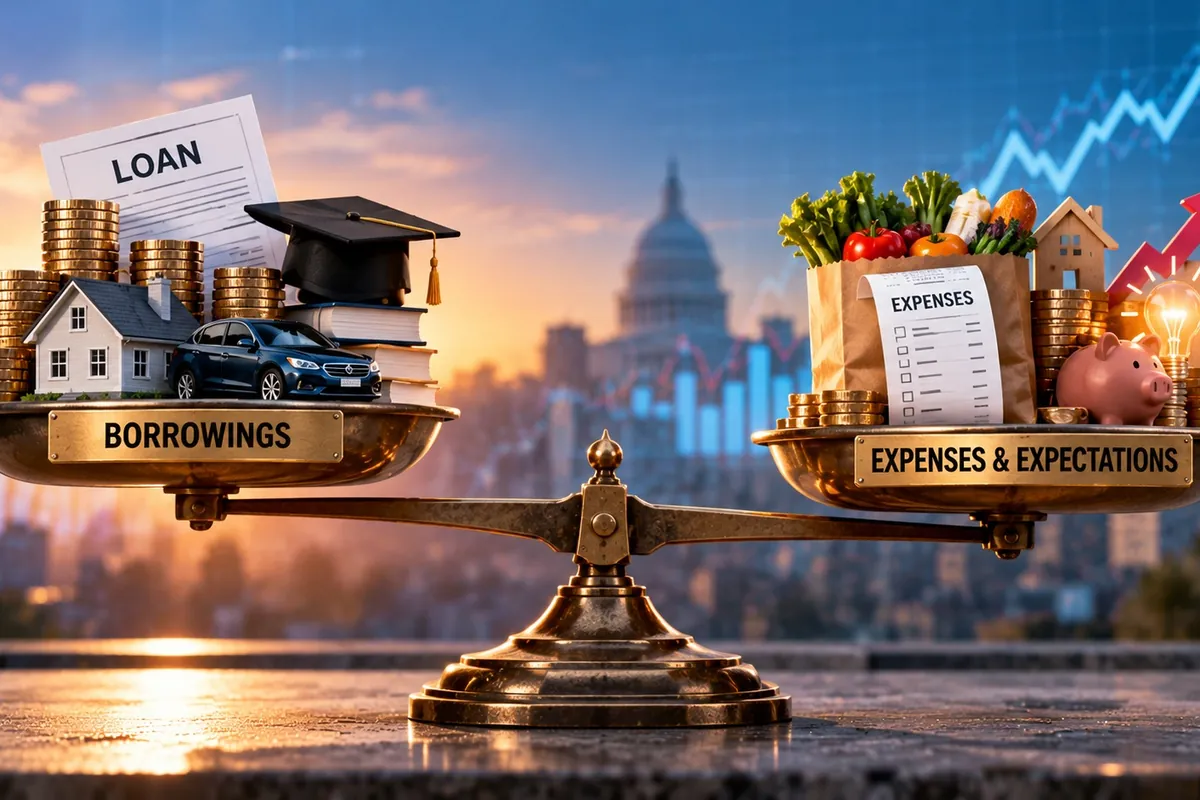
Here is how a "higher for longer" Fed could touch everyday finances.
- Loans and credit cards: Rates on credit cards, car loans and personal loans usually follow the Fed. Without cuts on the horizon, do not expect these costs to fall soon.
- Mortgages: Home loan rates track longer-term yields more than the Fed itself. With the 10-year yield around 5%, mortgage rates are likely to stay high, which keeps pressure on buyers.
- Savings: Savers benefit. High-yield savings accounts, certificates of deposit and money market funds should keep paying relatively attractive returns.
- Stocks: Higher rates make future company profits worth less today, which can weigh on shares, especially growth stocks. A strong economy can offset some of that.
- The dollar and emerging markets: A firm Fed tends to support the dollar. That can make it harder for developing economies that borrow in dollars, a point watched closely by investors in markets such as India.
What to Watch Next
The committee meets again on December 8th and 9th, when it will also publish fresh economic projections. Before this week's decision, traders were putting the odds of a December hike at roughly 84%. Warsh made clear the decision will depend on the incoming data, so the next two inflation and jobs reports will carry enormous weight.
There are also some structural changes ahead. Starting in 2027, one of the Fed's eight yearly meetings will be set aside for discussing broad strategy, with no rate vote and no policy statement. Several internal working groups are due to report by year-end, and a public hearing on productivity and employment is planned for November 16.
The Bottom Line
The Fed held rates steady, but this was no sleepy meeting. The 10-2 vote, the stronger language on growth, and Warsh's refusal to promise anything show a central bank that is still worried about inflation and unwilling to tie its own hands. For households, the practical takeaway is simple: do not count on cheaper borrowing any time soon, and keep an eye on the data that will shape the December decision.
This article is for general information and is not financial advice. Please talk to a licensed advisor about your own situation.
Sources consulted